

Between holiday cooking, extra handwashing and a little more time in air conditioning, your hands can feel dry even when Central Florida weather is mild. A paraffin wax hand treatment adds a few warm, relaxing minutes to a manicure and can leave skin feeling noticeably softer.
Here's what the treatment involves, what it can and can't do, and how to decide if it's a comfortable choice for your hands.
What paraffin wax does for dry hands
Paraffin is a soft wax that's warmed until it becomes liquid, then applied to the hands. As it cools and sets, it forms a temporary layer over the skin. That layer helps reduce moisture loss while it's on, and the warmth can make the experience feel especially soothing.
Once the wax is removed, hands often feel smoother and softer. Think of it as a short-term boost in comfort rather than a permanent fix for dryness. The effect varies from person to person, and frequent washing or exposure to cleaning products can leave hands feeling dry again.
A paraffin manicure add-on is different from hair-removal waxing: the goal is to coat the skin with warm wax, not pull out hair. It also doesn't replace nail shaping, cuticle care or polish. It's an extra step focused on how your hands feel.
What to expect during the add-on
At P&T Nails Spa, the Paraffin Treatment is listed on the add-ons menu starting at $10 and takes 15 minutes. Let us know when you book that you'd like it for your hands, so we can plan your appointment and answer any questions about timing.
The precise sequence can vary with your manicure and the salon's application method. In general, here's what a paraffin wax hand treatment involves:
- Check in about your skin. Tell your technician about sensitivity, allergies, broken skin or any concern about heat before the treatment begins.
- Prepare your hands. Hands are cleaned before wax is applied. Your technician may also use a moisturizing product, depending on the service and method.
- Apply the warm wax. The wax may be applied in layers. It should feel comfortably warm, not painfully hot. Say something immediately if the temperature bothers you.
- Let it set. The wax cools around your hands for a short period. A protective covering may be used to help retain warmth.
- Remove the wax. Once it has set, the wax is gently removed. Your hands should feel warm and may feel softer to the touch.
Don't be shy about asking how the wax is applied and how it is kept sanitary. A salon should be able to explain its process clearly. Wax used on one guest should not be returned to a shared container for reuse.
Choosing a manicure to pair with paraffin
Start with the nail service you want, then add paraffin if your skin could use some extra attention. A Regular Manicure includes shaping, cuticle care, massage and classic polish, starting at $25. If you want gel color instead, the Gel Manicure starts at $35.
For a more skin-focused appointment, the Deluxe Manicure starts at $30 and includes an exfoliating scrub and hydrating mask in addition to the regular manicure. Paraffin is a separate add-on; ask about combining services when you book. You can compare the options on our manicure menu.
Have polish or enhancements already on your nails? Mention them when scheduling, especially if you need removal. Your technician can explain the order of services and help you plan enough time. Don't assume the wax will make polish last longer; its main purpose here is to soften and hydrate skin.
If you're getting ready for a holiday gathering, choose your appointment based on the nail finish you like and how your hands feel. There's no need to save paraffin for a special occasion, though. It can be a pleasant extra during an ordinary dry-hands manicure, too.
When to skip the wax
Warm wax isn't a good fit for every hand. Skip the treatment if you have cuts, open cracks, blisters, a rash, a suspected infection or irritated skin in the area. If you have a reaction or signs of infection, see a doctor or dermatologist rather than trying to cover the problem with a salon treatment.
If you have diabetes, poor circulation, reduced sensation, a condition that affects your skin, or difficulty telling how hot something feels, check with your doctor before booking a heat treatment. Reduced sensation can make it harder to notice excessive heat, which may lead to a burn.
Also tell your technician about known sensitivities or allergies before anything is applied. If you're unsure what's in a product, ask first. You can always choose a manicure without the wax or postpone the add-on until your skin is comfortable and intact.
How to keep that soft feeling at home
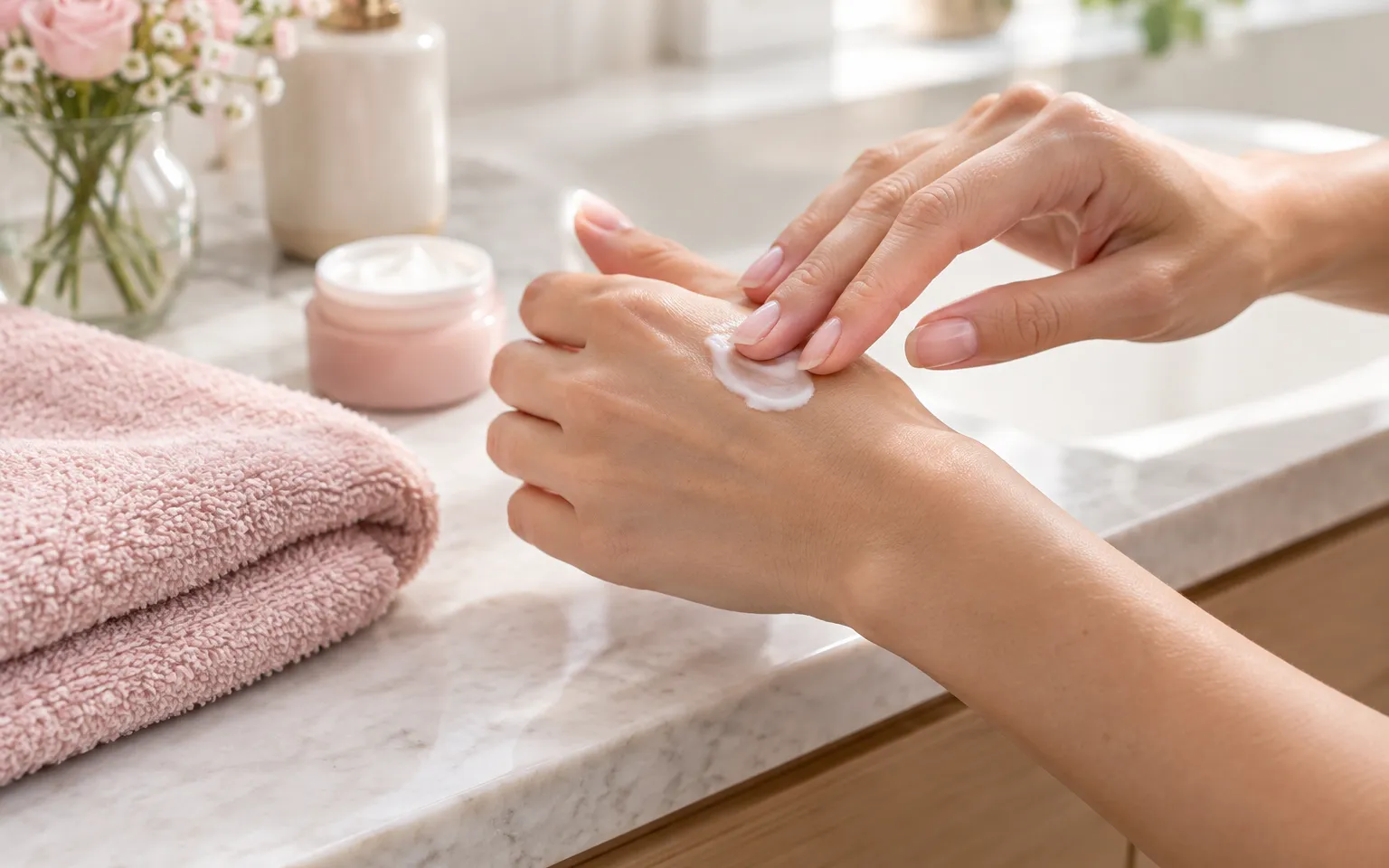
The best follow-up is a simple, consistent routine. Keep hand cream near the sink and apply it after washing, while skin is still slightly damp. A thicker, fragrance-free cream or ointment can feel especially comfortable when hands are prone to dryness.
Try lukewarm rather than very hot water, and use a gentle cleanser. For dishes and household cleaning, wear protective gloves to limit repeated contact with water and cleaning products. If your hands feel dry at bedtime, smooth on cream and give it time to absorb.
Pay attention to the skin around your nails, too. A small amount of cuticle oil or hand cream can help keep that area supple. Avoid picking at loose skin; if you notice soreness, worsening redness or another concerning change, check with a healthcare professional.
Plan your visit
If warm wax sounds like a good fit, add it to the conversation when you book your appointment online or call P&T Nails Spa at (407) 365-2466. We're at 2200 Winter Springs Blvd #109 in Oviedo, and walk-ins are welcome when space allows. Tell us what your hands need, and we'll help you plan a comfortable manicure.


